

Exploring Cilia Dynamics
Podcast
The Bardet-Biedl-Syndrome
“Das Bardet-Biedl-Syndrom – Einblicke in eine seltene Erkrankung” is FOR5547’s German-language podcast dedicated to the Bardet–Biedl syndrome (BBS). Designed for patients, families, healthcare professionals, and everyone interested in rare diseases, the podcast provides reliable, evidence-based information on BBS in an accessible and engaging format.
In each episode, researchers from FOR5547 and experienced clinicians discuss the latest scientific discoveries, current approaches to diagnosis and treatment, and the everyday challenges associated with living with BBS. Our goal is to bridge the gap between research and patient care by translating complex scientific concepts into understandable conversations while highlighting the close collaboration between basic science and clinical practice.
Whether you are looking to better understand the biology of BBS, stay informed about ongoing research, or gain practical insights from experts, this podcast offers a trusted source of knowledge and aims to strengthen the connection between the scientific and patient communities.
Episode 1: The Basics of Bardet-Biedl-Syndrome
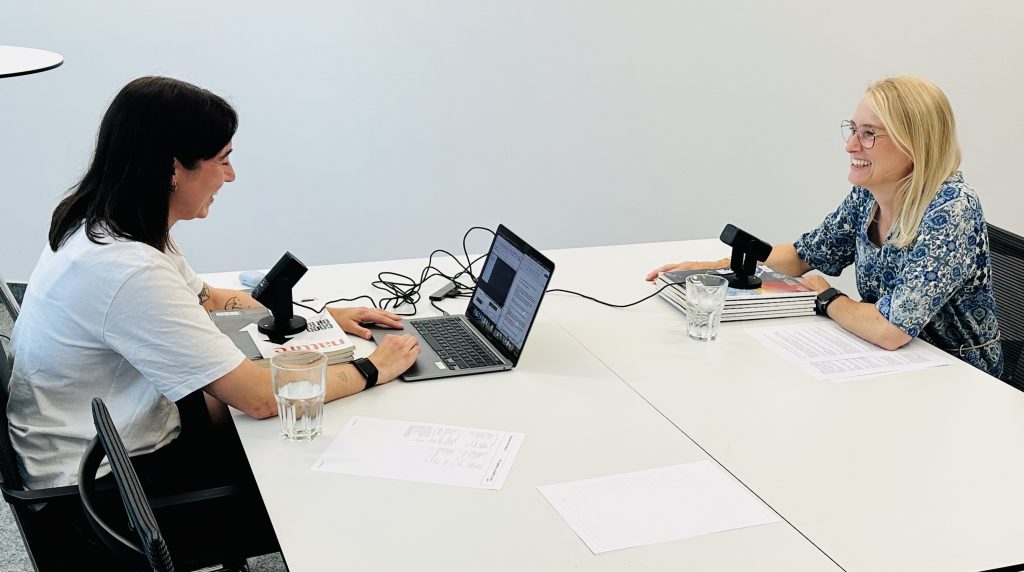
What exactly is Bardet–Biedl syndrome (BBS), and why can tiny cellular structures called primary cilia have such a profound impact on human health?
In the first episode of “Das Bardet-Biedl-Syndrom – Einblicke in eine seltene Erkrankung”, host Ronja Kardinal welcomes Prof. Dagmar Wachten, member of FOR5547 and internationally recognized expert in cilia biology, to provide an accessible introduction to this rare genetic disorder.
Together, they discuss the fundamental aspects of BBS, including its underlying causes, the characteristic signs and symptoms, and the essential role of primary cilia in maintaining normal cellular function. The conversation also explores why diagnosing BBS remains a significant clinical challenge.
In addition, the episode addresses important questions for patients and their families: How common is Bardet–Biedl syndrome? What treatment options are currently available? How can patients and caregivers be supported in their daily lives?
